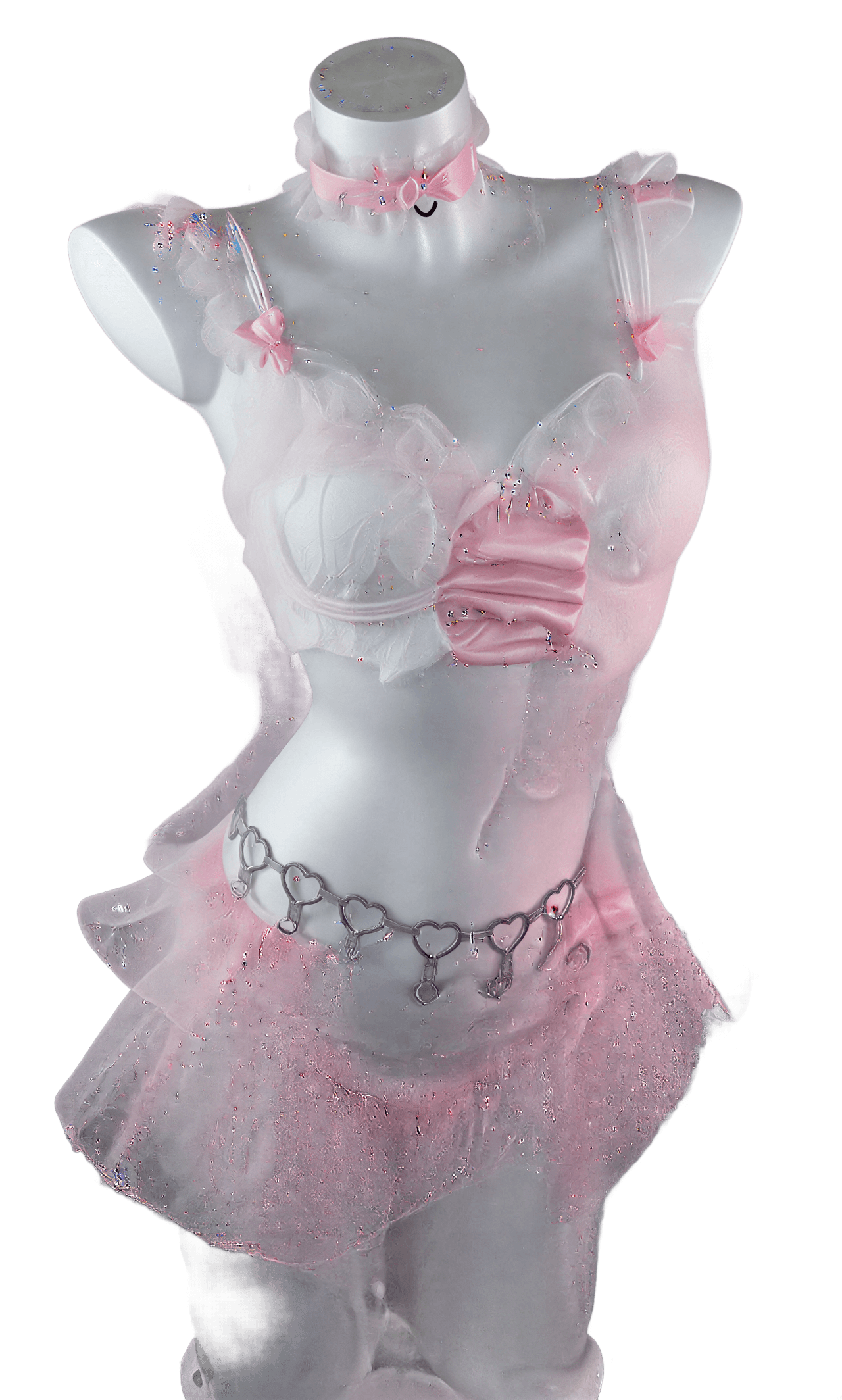
A lot of outfit problems are small, but they still waste time. A jacket feels right until the trousers go on. A dress looks elegant until the coat makes it heavy. A colour combination seems clean in theory, then flat in a mirror at 7:30 in the morning. That is where AI Dress Up becomes useful. Not as a novelty move, and not as a random costume filter, but as a quick way to test outfit ideas before a real dressing decision turns into a messy one.
The useful part is not endless variation. It is visible comparison. One clear image can answer the question that usually causes the delay: which version actually works better. The sharper coat. The softer knit. The darker palette. The cleaner shoe. The shorter jacket. Those are not dramatic changes, but they often decide whether a look feels finished or slightly wrong all day.
This guide keeps the focus narrow on purpose. No tool ranking. No generic fashion theory. No heavy technical section. Just the parts that matter in a normal wardrobe-planning flow: why it is worth using, what situations it fits best, how to tell whether it is actually worth opening, and what common mistakes make the result weaker instead of better.
Contents
Why AI Dress Up works for real outfit decisions
The main reason is simple. AI Dress Up turns a vague styling thought into something visible. A lot of outfit frustration starts before there is a clear question. There is only a feeling that the look is close, but not right. Maybe the line is too heavy. Maybe the shoe is pulling attention in the wrong direction. Maybe the whole outfit would settle if the outer layer stopped fighting the silhouette. Before those things are visible, they stay annoying and abstract.
Once the comparison is on screen, the decision gets calmer. That is the real benefit. Not more noise. Not more dressing ideas for the sake of it. Better judgment. Instead of pulling half a wardrobe onto a bed and trying to “feel” the answer, one base image can show whether a cleaner version already exists.
That matters even more because a lot of strong outfits are built from quiet changes, not dramatic ones. A narrower trouser line. A lower-contrast palette. A longer coat over the same dress. A sharper shoe. A more controlled neckline. These are small moves. They often create the biggest improvement because they change the balance of the whole look instead of adding another distracting piece.
There is also a practical emotional benefit. Outfit indecision rarely feels serious, but it is tiring. It drains time in little pieces. Five minutes here. Ten there. Then the final look still feels like a compromise. A quick try-on pass can remove that drag because it shows the weak option early. Once the weak option is visible, it becomes much easier to stop defending it.
The most useful question is not “Can this generate more outfit options?” It is “Does this version actually look better than the one already in mind?”
This is why the strongest use of AI Dress Up is not random fashion play. It is real wardrobe planning. One image. One occasion. A few focused directions. Then a clear choice. That is where the tool starts to feel less like entertainment and more like a shortcut for visual decision-making.
It also helps reveal false favourites. Some clothing ideas look attractive in isolation and collapse when they enter a full frame. A top may be good, but wrong with the trouser rise. A coat may be beautiful, but too much with the bag and hem length. A neutral palette may sound refined and still wash out under ordinary light. Good styling has always depended on relationships between pieces. A virtual try-on simply makes those relationships easier to read.
| Without a quick try-on check | After a focused AI Dress Up comparison |
|---|---|
| The outfit question stays vague, so too many pieces get tested at once. | The actual problem becomes visible: proportion, palette, outerwear, or footwear. |
| The most dramatic look feels exciting for a moment, then falls apart in daylight. | The calmer, more balanced version usually becomes easier to spot. |
| Time goes into trial and error. | Time goes into one real comparison with a usable result. |
What situations it fits best
The best results usually come from ordinary situations, not [fantasy](https://cling-ai.com/prompts?category=fantasy) ones. That is worth saying clearly. The most useful outfit ideas are often the ones built for a real day, a real evening, a real trip, or a real photo set. Once the styling question belongs to a real setting, the comparison starts to matter more.
Workwear and polished everyday dressing
Weekday outfits are one of the strongest use cases because they need to do a lot at once. They have to survive a commute, changing indoor temperatures, sitting, walking, and usually at least one point in the day when the light shifts and the outfit gets judged again. A work look does not need drama. It needs clarity. That means shape, proportion, and a low amount of visual noise.
This is where a virtual outfit changer is genuinely helpful. A long blazer may be making the look heavier than expected. The trousers may need a cleaner shoe. A shirt may be working, but the coat over it may be too stiff. These are common styling problems, and they are easier to solve once the whole frame is visible at once.
Dinner looks and evening styling
Evening outfits usually fail for quieter reasons. The fabric finish is slightly wrong. The neckline and outer layer do not agree. The shoe is too casual for the rest of the silhouette. The outfit has three focal points instead of one. A quick visual comparison helps because evening looks depend on rhythm more than volume. Once the rhythm is off, the whole thing feels uncertain.
A dinner outfit also tends to reveal whether restraint is doing enough. Sometimes a simple dark dress with the right shoe and the right layer looks stronger than a more decorated version trying too hard to be noticed. That kind of judgment is exactly what a clean comparison helps with.

Travel outfits and transition-weather looks
Travel styling is less glamorous and more demanding. It has to move, layer, sit well, and still feel put together after a few hours. That is why a good try-on test helps here more than expected. The strongest travel outfit is often not the most interesting one. It is the one that looks calm, moves easily, and still makes sense once a coat, tote, or crossbody enters the frame.
Transition-weather dressing works the same way. Early spring and late autumn are full of almost-right outfits. A knit that is too soft under a structured coat. A skirt that needs a stronger shoe. A neutral look that becomes dull under grey daylight. These are not huge styling failures. They are exactly the sort of mid-level problems that are easier to solve through visible comparison.
Content planning and camera-facing looks
Some outfits feel good in person and disappear on a screen. A very soft palette may flatten on mobile. An oversized shape may lose all structure once it becomes an image. A look that feels refined in a mirror may become visually weak in a feed. That is why outfit testing for content is another strong scenario. A camera reads shape differently. It also punishes unclear contrast much faster than real life does.
When the style direction is still too vague, a quick moodboard pass through [AI Image](https://cling-ai.com/create/image) Generator can help define the visual lane first. Once the lane is clear, AI Dress Up becomes the better place to judge the actual outfit. If movement matters later, the final chosen look can also flow into [Photo to Video](https://cling-ai.com/create/video) for short visual motion tests or content preparation.
How to tell whether it is worth using
Not every outfit question needs a full styling session. Sometimes the answer is obvious. A mirror is enough. A real try-on is enough. The better question is whether the uncertainty is visual enough to benefit from comparison. If the hesitation is about shape, balance, layering, contrast, or overall mood, then a quick pass is usually worth it. If the issue is pure comfort or fabric feel, the answer still needs real wear.
One clear sign is repetition. If the same styling problem keeps coming back, it is worth opening. Maybe long coats keep flattening dresses. Maybe wide-leg trousers keep feeling too heavy with the usual shoes. Maybe soft colours keep looking washed out. Repeating problems usually mean the eye needs a clearer comparison, not another vague attempt.
Another sign is when two options both seem nearly right. This is where AI Dress Up becomes especially useful. Not when the outfit is a disaster. When the difference is subtle. One jacket length. One darker version. One cleaner neckline. One lower-profile shoe. Small choices like that usually decide whether a look feels quietly sharp or slightly off.
It also makes sense when a shopping decision is getting fuzzy. A piece can be attractive on its own and still fail inside the actual wardrobe mood. A quick visual test helps answer a simple question: does this item support the kind of styling already working, or does it only look good in isolation.
A practical checklist helps here:
- Does the outfit have one clear idea, not several competing ones?
- Does the visual weight sit in the right place?
- Do the shoe and hem work together instead of fighting each other?
- Does the coat or jacket improve the line?
- Would the look still make sense in the actual setting and time of day?
- Can the outfit be rebuilt in real life without unnecessary effort?
If most answers are yes, the try-on is doing something useful. If the answers stay muddy, the outfit usually needs simplifying, not decorating. That is another reason visible comparison matters. It often shows when the real problem is too many ideas trying to live in one look.

Common mistakes that make the result worse
The first mistake is changing too much at once. New coat, new dress, new shoe, new palette, new bag, new mood. That makes the output harder to judge because there is no honest point of comparison left. A stronger workflow changes one major variable at a time. If the silhouette already works, there is no reason to rebuild the whole outfit from scratch.
The second mistake is over-decoration. A strong neckline, shiny fabric, eye-catching shoe, structured bag, statement jewellery, and bold outerwear can all work individually. Together, they often compete. Most good outfits need one leading point and enough quiet space around it to let that point breathe.
The third mistake is ignoring scale. Tiny shoes under visually heavy trousers. A very small bag under a long coat. Delicate accessories with a neckline that is already doing the work. Scale mismatch is one of those things that is easy to miss in imagination and very easy to see once the whole frame is visible.
The fourth mistake is colour panic. When a look feels dull, the instinct is often to add more colour. Sometimes that helps. Often it just adds more interruption. The real fix may be cleaner contrast, one deeper anchor tone, or the removal of one distracting detail. A quiet outfit is not the same thing as a weak outfit.
The fifth mistake is using a poor source image. Cropped shoes, tilted mirror angles, cluttered backgrounds, or lighting that erases shape all make judgment harder. A good source photo does not need to look expensive. It needs to be readable. Clear line, steady light, and visible proportions do most of the work.
The last mistake is chasing novelty instead of usefulness. A look can feel exciting because it is new. That does not mean it is stronger. The better result is often the one that becomes calmer and more convincing the longer it is viewed. In real life, that kind of outfit usually wins because it is easier to repeat and easier to trust.
FAQ
What is the best use of AI Dress Up?
The strongest use is outfit comparison around a real scenario. Workwear, dinner styling, travel looks, transition-weather dressing, and camera-facing outfits all benefit from quick visual testing when the question is about balance, proportion, or overall mood.
Does AI Dress Up work better with full-body images?
For most outfit decisions, yes. A full-body image makes it easier to judge hem length, shoe weight, outerwear proportion, and the overall line of the look. Upper-body images still help for collars, sleeves, tops, jackets, and neckline questions.
How many outfit directions should go into one session?
Three is usually enough. One familiar version, one cleaner or sharper version, and one slightly more adventurous version creates a useful comparison without turning the whole thing into visual clutter.
When should other tools enter the workflow?
[AI Image](https://cling-ai.com/create/image) Generator makes sense when the style direction still feels too vague and a moodboard is needed first. [Photo to Video](https://cling-ai.com/create/video) makes sense later, after a chosen look needs motion for content or presentation. The actual outfit judgment still belongs with AI Dress Up.
Final take
The best styling decisions are rarely the loudest ones. They are the ones that make the rest of the day easier. Less second-guessing. Less outfit churn. Fewer combinations that looked good in theory and weak in practice. That is the strongest case for AI Dress Up. It helps turn outfit ideas into visible decisions before time gets wasted on the wrong version.
Three habits make the process cleaner straight away:
- use one calm, clear base image for the whole comparison
- test one real scenario at a time instead of mixing moods together
- keep the versions that feel wearable and repeatable, not just surprising
For virtual try-on planning, cleaner outfit comparison, and faster styling decisions, the direct next step is simple: Try AI Dress Up Free.
::contentReference[oaicite:0]{index=0}